
Introduction
Many people wonder what happens after hip surgery. Post-surgical rehab after hip replacement is a key part of healing. It helps you regain strength and move safely. Without proper rehab, recovery can take longer. In fact, rehab helps you return to daily life faster. According to the CDC, hip replacement is common and usually successful. However, good rehab makes a big difference in your outcome.
Common Symptoms and Recovery Milestones
After surgery, you may feel pain, swelling, or stiffness. These symptoms are normal at first. Over time, you should notice steady improvement. But what should you expect after hip replacement?
However, each person heals at their own pace. Always follow your doctor’s advice.
Typical Rehabilitation Process
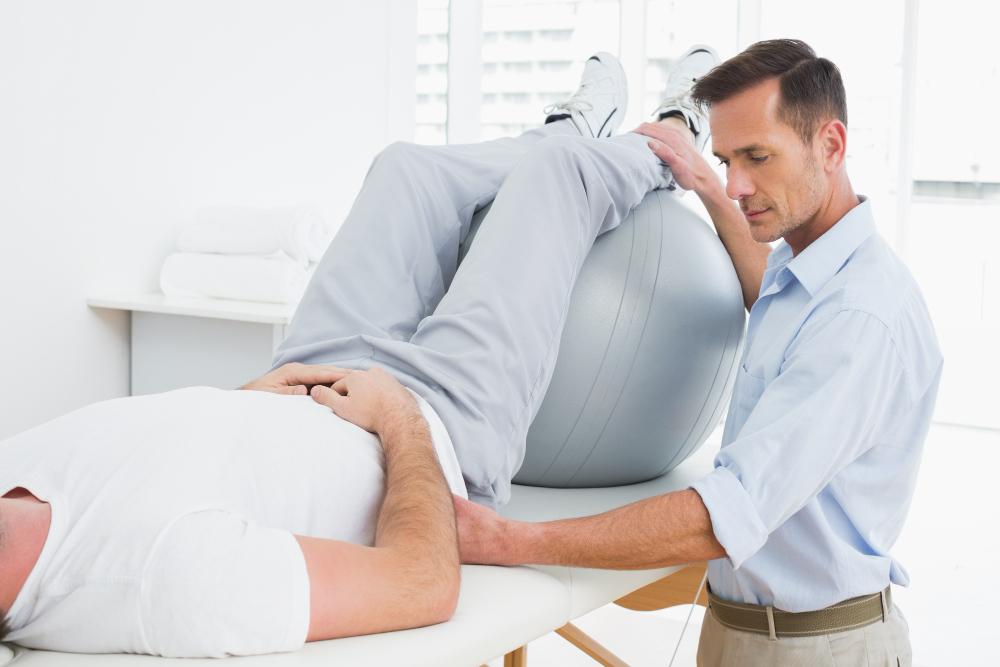
Rehabilitation exercises after hip surgery start soon after your operation. Early movement helps prevent problems. Usually, a physiotherapist guides you through each step. For example, you may begin with gentle leg lifts or ankle pumps. These simple moves keep your blood flowing and muscles active.
As you get stronger, your rehab plan will include:
In addition, your therapist may teach you how to avoid certain movements. This helps protect your new hip. The hip replacement recovery timeline can vary, but most people see progress each week.
Tips for a Smooth Recovery
There are many ways to make your recovery easier. First, follow your rehab plan every day. Next, use mobility aids like walkers or canes as needed. These tools help you move safely. Also, keep your home free of clutter to prevent falls. For example, remove loose rugs and keep walkways clear.
Other helpful tips include:
With these steps, you can speed up your recovery and avoid setbacks.
Potential Challenges and How to Overcome Them
Sometimes, recovery does not go as planned. For instance, you may feel more pain or stiffness than expected. Or, you might have trouble moving your hip. However, most problems can be managed with help.
Remember, setbacks are normal. With patience and support, you can overcome most challenges.
Prevention of Complications
It is important to watch for signs of problems after surgery. For example, blood clots, infection, or joint dislocation can happen. But you can lower your risk by following these steps:
According to the World Health Organization, these actions help prevent most problems after hip surgery.
When to Seek Medical Advice
Sometimes, you may need extra help. Seek medical advice if you notice:
Early action can prevent serious problems. Never ignore these warning signs.
Conclusion
In summary, post-surgical rehab after hip replacement is vital for a strong recovery. With the right care, you can return to your daily life. For the best results, consult a physiotherapist at Dr. Sanjana’s Procare Physiotherapy for personalized guidance.