
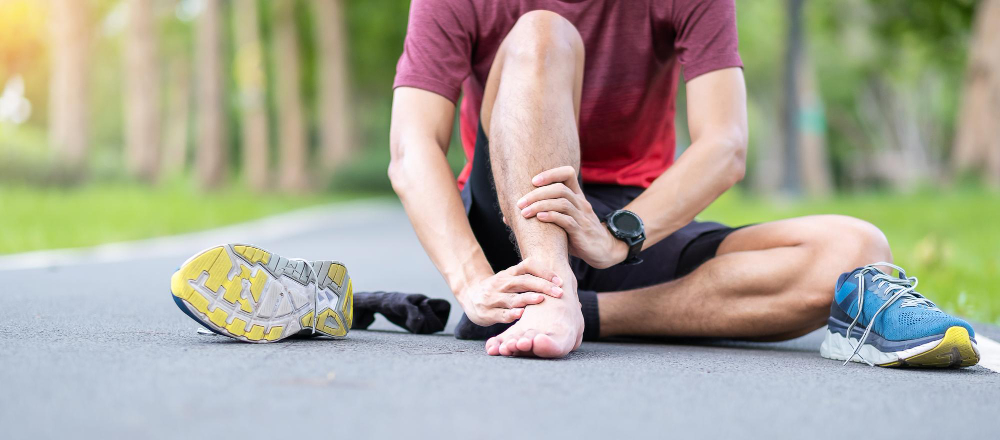
Staying active is important for good health, but preventing sports injuries should always come first. Many athletes want to know how to avoid sports injuries and keep enjoying their favorite activities. With the right steps, you can lower your risk and stay in the game. Whether you play sports in your local area or train for big events, these athlete injury prevention tips will help you stay safe and strong.
Common Types of Sports Injuries
Many people get hurt while playing sports, but some injuries happen more often than others. For example, strains and sprains are very common. These injuries affect muscles and ligaments. In addition, bruises, cuts, and broken bones can occur. Sometimes, overuse injuries develop slowly over time. These can include:
Because these injuries are common, knowing how to prevent them is very helpful.
Risk Factors for Sports Injuries
Several things can raise your risk of getting hurt during sports. For instance, not warming up before activity can make injuries more likely. In addition, using the wrong equipment or playing on unsafe surfaces can cause problems. Other risk factors include:
Because everyone is different, it is important to know your own limits and listen to your body.
Effective Warm-Up and Cool-Down Techniques
Before you start any sport, warming up is key. For example, you can begin with light jogging or jumping jacks. After that, add some gentle stretching. This helps your muscles get ready for action. According to the CDC, warming up can lower your risk of injury.
After playing, cooling down is just as important. Slow walking and gentle stretches help your body recover and reduce soreness.
Importance of Proper Technique and Equipment
Using the right technique keeps you safe. For instance, learning how to land safely when jumping can protect your knees. In addition, always use equipment that fits well and is in good shape. Safe exercise practices include:
Because every sport is different, choose equipment that matches your activity and body size.
Strength and Flexibility Training for Injury Prevention
Building strong muscles helps support your joints. For example, regular strength training can protect your knees and ankles. In addition, stretching keeps your muscles flexible and less likely to tear. Try to:
Because strong and flexible muscles work better, you can move more safely and avoid many injuries.
Nutrition and Hydration Tips for Athletes
Eating well and staying hydrated are key parts of athlete injury prevention tips. For instance, drinking water before, during, and after exercise helps your body work at its best. In addition, eating a balanced diet gives your muscles the fuel they need. Try these tips:
Because good nutrition and hydration help your body heal, you can recover faster and lower your risk of getting hurt.
Recognizing Early Signs of Injury
Sometimes, pain or swelling can signal a problem. For example, if you feel sharp pain or notice swelling, stop playing right away. In addition, watch for bruising or trouble moving a joint. Early signs of injury may include:
Because catching injuries early can prevent them from getting worse, always pay attention to how your body feels.
When to Seek Professional Help
Sometimes, home care is not enough. For instance, if pain lasts more than a few days or gets worse, see a doctor or physical therapist. In addition, if you cannot move a joint or put weight on a limb, get help right away. You should also seek care if:
Because early treatment can help you heal faster, do not wait to get the care you need. Consult Dr. Sanjana’s Procare Physiotherapy for expert advice and support for athletes.