What Is Musculoskeletal Rehabilitation?
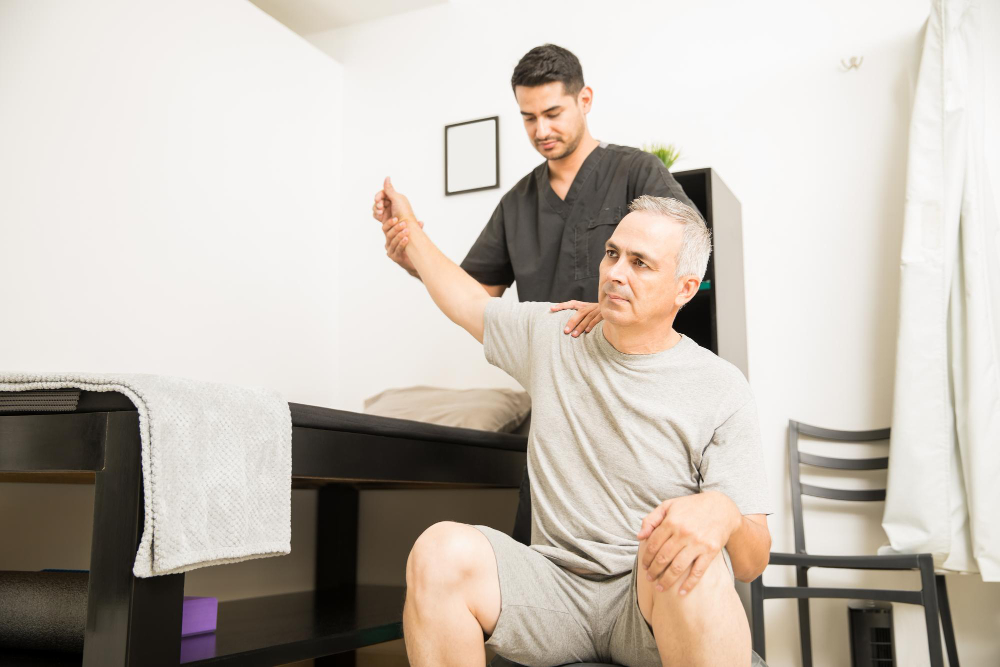
Musculoskeletal rehabilitation is a type of therapy that helps people recover after injuries or surgery. It focuses on the muscles, bones, joints, and soft tissues. Because many people experience pain or limited movement after an injury, this therapy is important for daily life. In fact, the benefits of musculoskeletal rehabilitation can help you regain strength, flexibility, and confidence. Many clinics offer these services, so you can find help close to home.
Common Conditions Treated with Musculoskeletal Rehabilitation
Many people need rehabilitation after injuries or surgery. For example, you might need it if you have:
Additionally, people with long-term conditions like osteoporosis or muscle weakness can benefit. Rehabilitation helps people of all ages, from children to seniors.
Key Benefits of Musculoskeletal Rehabilitation
There are many musculoskeletal rehabilitation benefits. First, it helps reduce pain and swelling. Next, it improves movement and makes daily tasks easier. For many, this therapy also helps prevent future injuries. Some of the main benefits include:
Because rehabilitation is tailored to your needs, you get the right care for your condition.
How the Rehabilitation Process Works
At the start, a physiotherapist or rehabilitation specialist will assess your needs. Then, they create a plan just for you. Usually, this plan includes exercises, stretches, and sometimes hands-on therapy. Over time, the plan changes as you get stronger. For example, you may start with gentle movements and progress to more active exercises. Regular check-ins help track your progress and adjust your therapy. Most people attend sessions weekly, but your schedule may differ.
Evidence-Based Outcomes and Success Rates
Many studies show that musculoskeletal rehabilitation leads to better recovery. According to the World Health Organization, early rehabilitation can shorten hospital stays and improve quality of life. In addition, research in medical journals shows that people who complete their therapy often return to normal activities faster. For example, people with knee injuries who follow a rehabilitation plan have lower pain and better movement than those who do not. Because the therapy is based on science, you can feel confident in its results.
Tips for Maximizing Recovery Through Rehabilitation
To get the most from your therapy, follow these tips:
Because recovery takes time, it is important to stick with your plan. Even small steps can lead to big improvements.
Preventing Future Injuries with Rehabilitation
Rehabilitation does more than help you heal. It also teaches you how to move safely. For example, your therapist may show you better ways to lift, bend, or exercise. In addition, you may learn stretches and strengthening moves to protect your joints. Over time, these habits can lower your risk of future injuries. Many people find that they feel stronger and more confident after finishing their therapy. Because prevention is key, these skills can help you stay active for years to come. Consult Dr. Sanjana’s Procare Physiotherapy now