
What Is Total Knee Replacement?
Total knee replacement, or TKR, is a surgery that replaces a damaged knee joint with an artificial one. Many people choose this procedure when knee pain makes daily life hard. For example, arthritis or injury can cause the knee to wear out. After surgery, the new joint helps you move better and feel less pain. However, recovery takes time and effort. Understanding what happens during rehabilitation for total knee replacement can help you prepare for each step.
Why Is Rehabilitation Important After TKR?
Rehabilitation is a key part of healing after knee surgery. Without it, your new knee may not work as well as it should. In fact, rehab helps you:
Because every person heals differently, your rehab plan will fit your needs. With the right support, most people see big improvements in a few months.
Phases of Rehabilitation for TKR
Rehabilitation for total knee replacement happens in several phases. Each phase has its own goals and steps. Knowing what to expect can make the process less stressful.
Throughout each phase, your care team will guide you. They will adjust your plan as you improve.
Common Exercises and Techniques
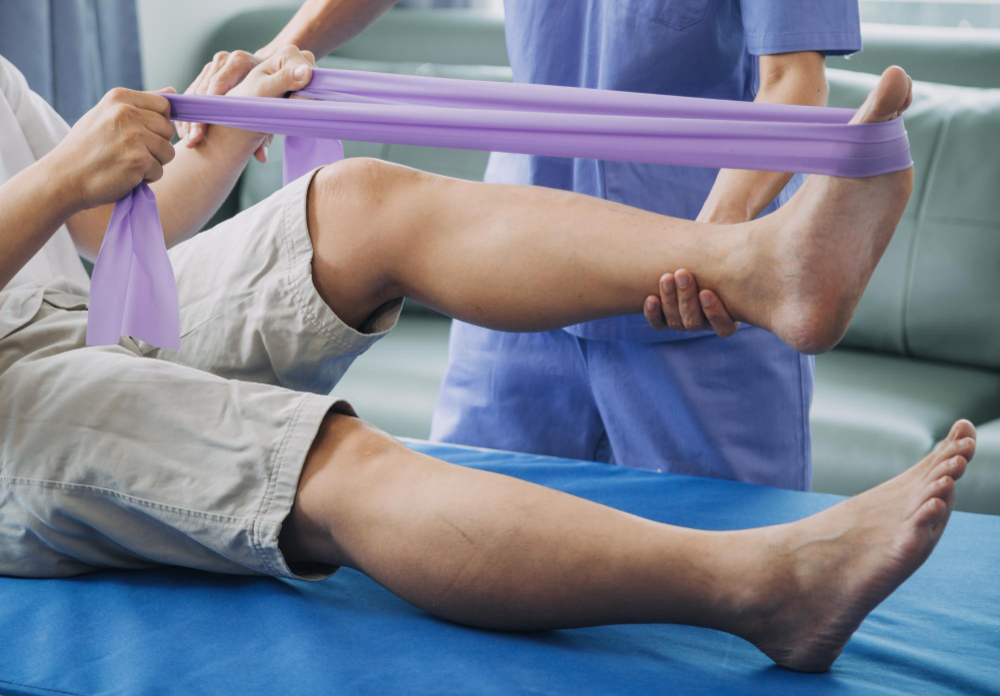
After surgery, certain exercises help your knee heal. For instance, you may do simple moves while lying in bed. Over time, you will add more challenging activities. Here are some common knee replacement recovery exercises:
As you get stronger, your therapist may add balance and walking drills. Always follow your care team’s advice for safe progress.
Managing Pain and Swelling
Pain and swelling are common after knee surgery. However, there are ways to manage them and speed up healing. For example, you can:
Because everyone feels pain differently, talk to your doctor if you need extra help. Sometimes, adjusting your rehab plan can make a big difference.
Tips for a Successful Recovery
Recovering from total knee replacement takes patience and care. Yet, you can make it easier by following these post-TKR rehabilitation tips:
Even small steps forward count. Over time, you will notice more strength and less pain.
Preventing Complications
While most people recover well, it is important to watch for problems. For example, signs of infection include redness, warmth, or drainage at the surgery site. If you notice these, call your doctor right away. To prevent complications after knee replacement:
Because early action can prevent serious issues, always share any concerns with your healthcare team. With the right care, most people enjoy better movement and less pain after knee surgery.
Conclusion
If you are planning knee replacement or recovering after surgery, we are here to help. Book a consultation at Dr. Sanjana’s Procare Physiotherapy to get a personalized rehabilitation plan for your best recovery.