Introduction
After surgery, many people wonder how to heal faster and regain strength. Exercises after surgery play a key role in recovery. However, guided rehabilitation is important to ensure safety and the best results. With the help of a physiotherapist, you can follow a plan that fits your needs. This blog explains why guided rehabilitation matters and how it helps you recover safely.
What Is Guided Rehabilitation After Surgery?
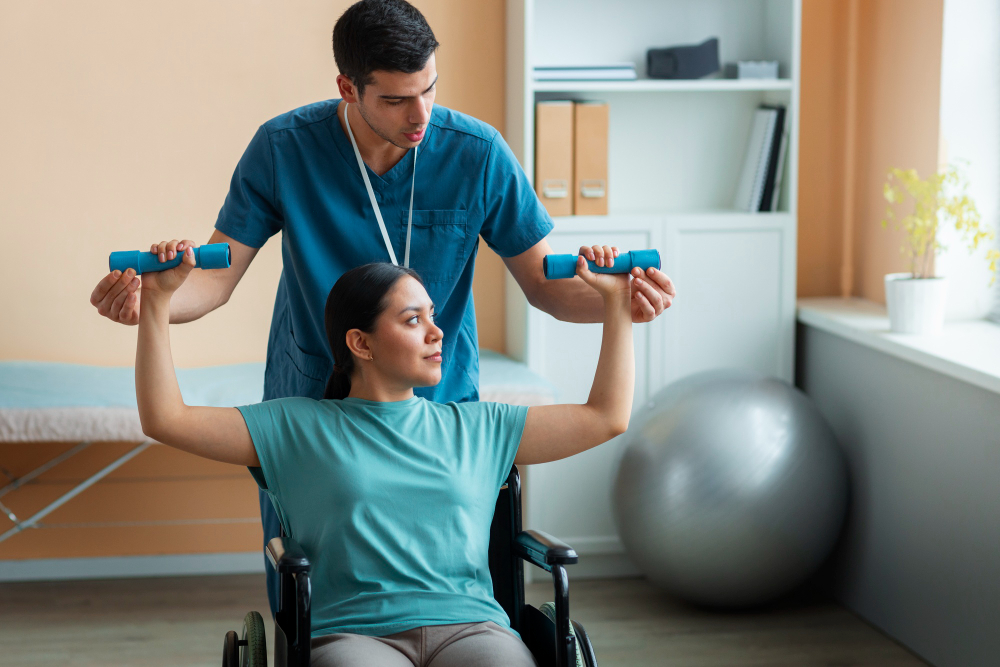
Guided rehabilitation means doing exercises with the help of a trained professional. Usually, a physiotherapist or rehabilitation specialist leads these sessions. They create a plan based on your surgery, age, and health. For example, after knee surgery, your plan may include gentle leg movements. Guided physiotherapy after surgery helps you avoid mistakes and supports your healing process.
Why Are Exercises Important After Surgery?
Exercises after surgery help your body heal. They also prevent problems like stiffness and muscle loss. In addition, moving your body can improve blood flow and reduce swelling. For many people, post-surgical rehabilitation exercises help them return to daily activities sooner. Most doctors and experts, including the World Health Organization, recommend starting safe recovery exercises as soon as possible.
Common Types of Post-Surgical Exercises
Every surgery is different, so exercise plans vary. However, some common types of post-surgical rehabilitation exercises include:
For example, after heart surgery, breathing exercises are often important. Meanwhile, after joint surgery, gentle movement helps prevent stiffness.
Benefits of Professional Guidance in Rehabilitation
With professional guidance, you get a plan made just for you. This helps you avoid pain and injury. Also, a physiotherapist can watch your progress and adjust exercises as needed. Because of their training, they know how to keep you safe. In addition, guided physiotherapy after surgery can boost your confidence and help you stay motivated.
Risks of Unsupervised or Incorrect Exercises
Doing exercises on your own may seem easy. However, there are risks if you do them incorrectly. For instance, you might strain a muscle or reopen a wound. Sometimes, moving too much or too soon can slow your healing. In rare cases, unsupervised exercises may cause lasting harm. Therefore, it is always safer to follow a guided plan from a trained expert.
Tips for Safe and Effective Recovery
To recover well after surgery, keep these tips in mind:
Above all, patience is key. Every person heals at their own pace.
When to Consult a Physiotherapist
It is best to consult a physiotherapist soon after your surgery. They can guide you on when and how to start exercises. If you feel pain, swelling, or weakness, reach out for help. Also, if you are unsure about your recovery, a professional can answer your questions. Early guidance can make your recovery smoother and safer.
In summary, exercises after surgery are vital for healing. Guided rehabilitation ensures you recover safely and effectively. For the best results, consult a physiotherapist or rehabilitation specialist at Dr. Sanjana’s Procare Physiotherapy for a plan that fits your needs.