What is Guillain-Barré Syndrome?
Guillain-Barré Syndrome is a rare nerve disorder. It causes the body’s immune system to attack the nerves. As a result, people may feel weakness or tingling in their arms and legs. Sometimes, these symptoms can get worse quickly. In severe cases, people may have trouble walking or even breathing. According to the CDC, Guillain-Barré Syndrome affects about 1 in 100,000 people each year. Early treatment and support, including physiotherapy, can help improve recovery and daily life.
Common Symptoms of Guillain-Barré Syndrome
Symptoms of Guillain-Barré Syndrome can appear suddenly. However, they often start with mild signs. Recognizing these symptoms early is important. Common symptoms include:
For some people, symptoms may get worse over a few days. Others may notice changes over several weeks. Because symptoms can vary, it is important to seek medical help if you notice any of these signs.
Causes and Risk Factors
Doctors do not know the exact cause of Guillain-Barré Syndrome. However, many cases happen after an infection. For example, a stomach bug or a cold can trigger the immune system. In rare cases, vaccines or surgery may also play a role. The immune system then attacks the nerves by mistake. This causes the symptoms seen in Guillain-Barré Syndrome.
Some risk factors include:
Even though these risk factors exist, anyone can develop Guillain-Barré Syndrome. Most people recover with proper care and support.
Diagnosis of Guillain-Barré Syndrome
Doctors use several steps to diagnose Guillain-Barré Syndrome. First, they ask about symptoms and recent illnesses. Next, they perform a physical exam to check muscle strength and reflexes. In addition, doctors may order tests such as:
Because early diagnosis can help with better recovery, it is important to see a doctor if you notice symptoms. Quick treatment may lower the risk of long-term problems.
The Role of Physiotherapy in Recovery
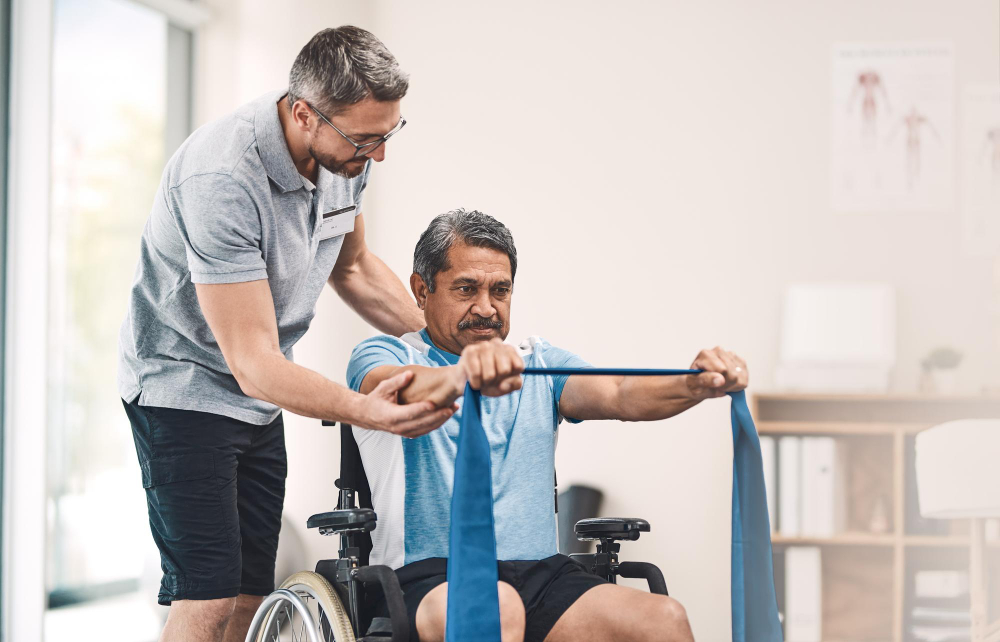
Physiotherapy plays a key role in helping people with Guillain-Barré Syndrome recover. After the first treatment in the hospital, many people need help to regain strength and movement. Physiotherapists create special exercise plans for each person. These plans help improve muscle strength, balance, and flexibility. For example, gentle stretching and movement exercises can prevent stiff joints. Over time, physiotherapy can help people return to daily activities. In addition, it can lower the risk of falls and other injuries.
Key Physiotherapy Techniques for Guillain-Barré Syndrome
Physiotherapists use many techniques to support recovery from Guillain-Barré Syndrome. Some common methods include:
As people get stronger, physiotherapists may add new exercises. They also teach family members how to help at home. Because every person is different, the plan may change over time.
Lifestyle Tips for Patients and Families
Living with Guillain-Barré Syndrome can be challenging. However, some lifestyle tips can make recovery easier. These include:
For families, learning about Guillain-Barré Syndrome can help you support your loved one. In addition, joining support groups can provide helpful advice and comfort.
Prevention and Long-Term Outlook
There is no sure way to prevent Guillain-Barré Syndrome. However, treating infections quickly may lower the risk. Most people recover well with proper care and physiotherapy. According to the World Health Organization, about 80% of people can walk again within six months. Some may have mild weakness or tingling for a longer time. Regular follow-up with doctors and physiotherapists helps track progress. With ongoing support, many people return to their usual activities and enjoy a good quality of life.