
Introduction: Why Movement and Balance Matter
Every day, we rely on movement and balance to do simple things. Walking, standing, and reaching all need our bodies to work well. However, as we age or after an injury, these tasks can become harder. For many people, poor movement and balance can lead to falls or injuries. Thankfully, physiotherapy for movement and balance offers safe ways to improve how we move and stay steady. With the right help, you can enjoy daily life with more confidence.
How Physiotherapy Improves Movement
Many people face movement problems after surgery, injury, or illness. Sometimes, stiff joints or weak muscles make it hard to walk or climb stairs. In other cases, pain limits how much you can move. But physiotherapy benefits people by using special exercises and hands-on care. For example, a physiotherapist may teach you stretches to loosen tight muscles. They may also show you ways to strengthen weak areas. As a result, you can improve mobility and do more on your own. According to the World Health Organization, early rehabilitation helps people recover faster and return to daily activities.
Physiotherapy for Better Balance
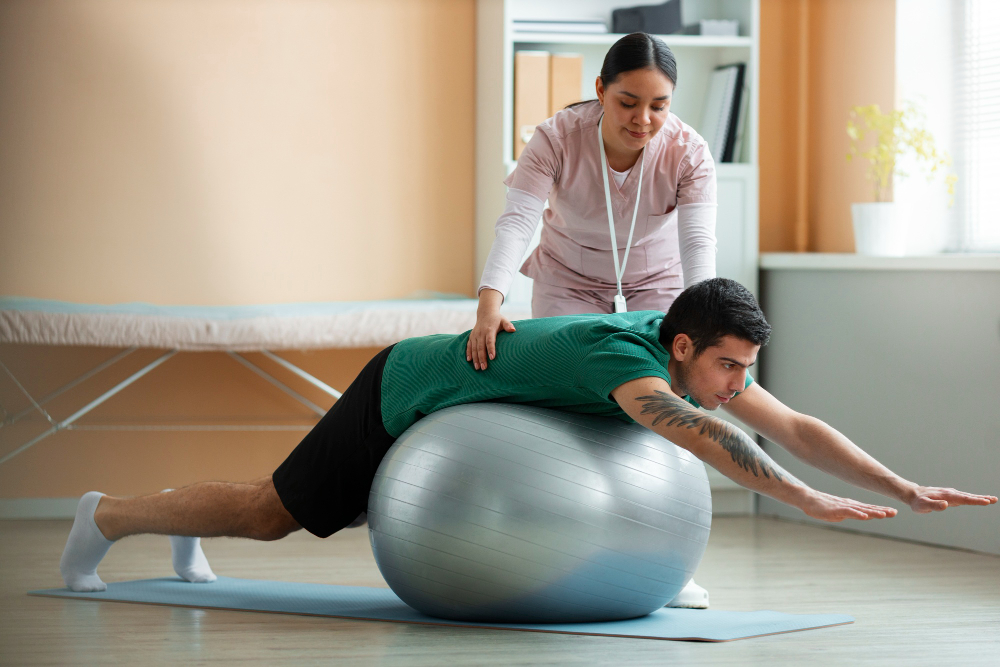
Balance problems are common, especially in older adults. Poor balance can make you feel unsteady or dizzy. Because of this, the risk of falling increases. Falls can cause serious injuries, such as broken bones. However, physiotherapy for movement and balance includes balance training to help you stay safe. For instance, your physiotherapist may use simple standing or walking exercises. They may also use tools like balance boards. Over time, these activities help your body react better and keep you steady. In addition, learning how to move safely can lower your risk of falls.
What to Expect in a Physiotherapy Session
When you visit a physiotherapist, the first step is an assessment. The therapist will ask about your health, movement problems, and goals. Next, they may check your strength, balance, and how you walk. After that, you and your therapist will set clear goals together. During each session, you might do:
Because every person is different, your plan will match your needs. Your therapist will guide you and make changes as you improve.
Tips for Maintaining Progress at Home
After each session, it is important to keep working at home. This helps you get the best results. Here are some tips to stay on track:
In addition, remember to rest when you feel tired. If you notice pain or new problems, tell your physiotherapist right away.
Prevention and Long-Term Benefits
Physiotherapy for movement and balance does more than fix current problems. Over time, it helps prevent injuries and supports healthy aging. For example, regular physical therapy exercises keep your muscles strong and joints flexible. This makes it easier to stay active and independent. Also, learning safe ways to move can lower your risk of falls. According to the Centers for Disease Control and Prevention, staying active is key to healthy aging. With ongoing support, you can enjoy a better quality of life.
When to Consult a Physiotherapist
Sometimes, it is hard to know when you need help. You should see a physiotherapist if you notice:
Early help can prevent bigger problems. Therefore, do not wait if you have concerns about your movement or balance.
Conclusion
Good movement and balance are essential for staying active, independent, and confident in everyday life. Physiotherapy can help improve strength, flexibility, coordination, and stability through personalized exercises and expert guidance. Whether you are recovering from an injury, managing pain, or struggling with balance, the right physiotherapy plan can help you move more comfortably and safely. Starting early can make everyday movements easier and support a better quality of life.
CTA
Don’t let pain or poor balance limit your daily life. Consult Dr. Sanjana’s Procare Physiotherapy for personalized care to improve your movement, strength, and balance.