Introduction to Neuro Rehabilitation and Its Importance
Neuro rehabilitation benefits many people after a brain or nerve injury. This type of therapy helps the brain and body heal. It is important because it supports recovery and helps people live better lives. According to the World Health Organization (WHO), early rehabilitation can improve health and reduce disability. For many, neuro rehabilitation is a key step toward regaining independence after stroke or other injuries.
Common Neurological Conditions That Benefit from Neuro Rehabilitation
Many conditions can improve with neuro rehabilitation. Some of the most common include:
For each of these, therapy can help people recover skills and manage symptoms. In many cases, it also prevents further problems.
Key Benefits for Recovery
Neuro rehabilitation benefits recovery in several ways. First, it can improve movement and strength. For example, after a stroke, therapy helps people walk again. Second, it supports better thinking and memory. Many people notice improved focus and problem-solving. Third, it boosts emotional well-being. Because recovery can be stressful, therapy often includes support for mood and coping skills. In addition, regular therapy lowers the risk of long-term disability.
According to the CDC, these benefits help people return to daily life faster and with more confidence.
How Neuro Rehabilitation Supports Independence in Daily Life
Regaining independence after stroke or injury is a main goal. Through therapy, people learn new ways to do daily tasks. For instance, they may practice dressing, cooking, or using tools. Therapists also teach safe ways to move around the home. As a result, many people can return to work or hobbies. In fact, the right support can help people live on their own again.
Typical Therapies and Approaches Used in Neuro Rehabilitation
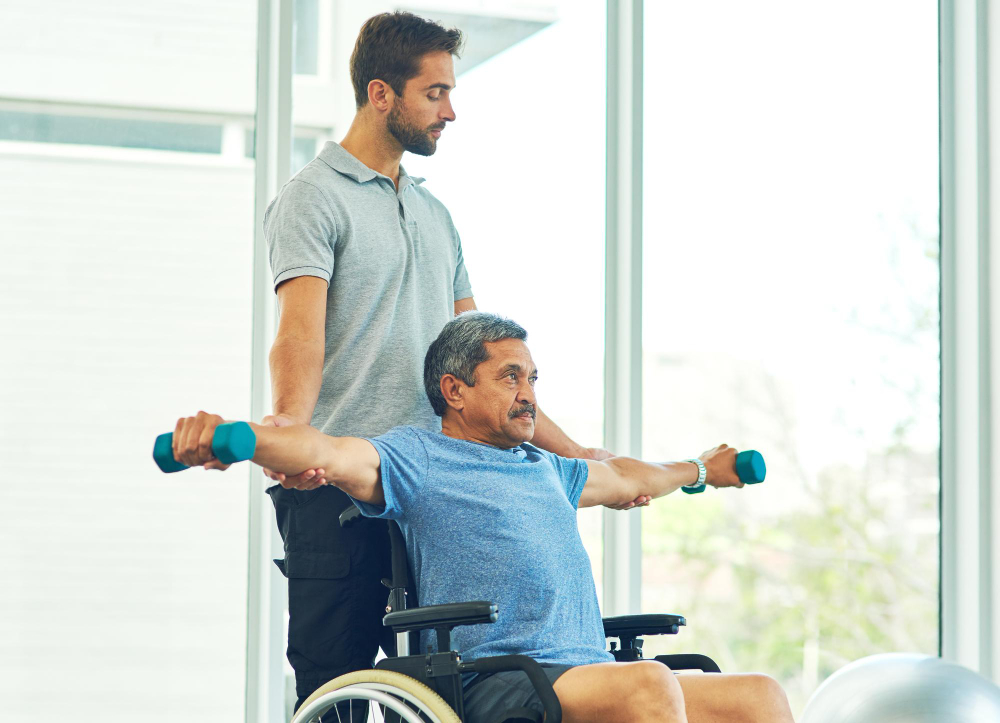
Neuro rehabilitation uses many types of therapy. Each person’s plan is unique, but common approaches include:
Often, a team of experts works together. This team may include doctors, nurses, therapists, and social workers. Together, they help each person reach their goals.
Tips for Patients and Families to Maximize Rehabilitation Outcomes
There are many ways to get the most from neuro rehabilitation:
Family support is also important. When families join therapy sessions, they learn how to help at home. This teamwork can speed up recovery after neurological injury.
Prevention of Complications and Relapse
Neuro rehabilitation benefits include preventing problems before they start. For example, regular movement lowers the risk of muscle stiffness or bedsores. Therapists also teach safe ways to avoid falls or injuries. In addition, ongoing therapy can spot early signs of relapse. Quick action can prevent setbacks and keep recovery on track. According to peer-reviewed studies, these steps reduce hospital stays and improve long-term health.
Conclusion
In summary, neuro rehabilitation benefits people by improving recovery and supporting independence. With the right care, many people return to daily life and avoid future problems. Consult a qualified physiotherapist Dr. Sanjana’s Procare Physiotherapy to discuss personalized recovery options.