Introduction
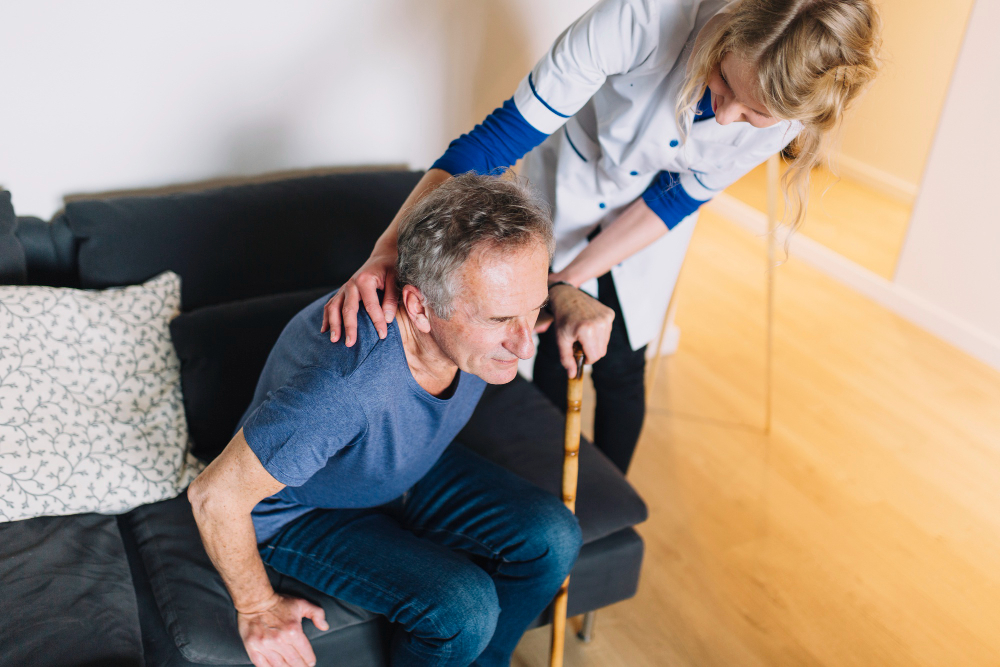
Posture problems and falls in the elderly are common health concerns. Many seniors face changes in their posture as they age. These changes can lead to a higher risk of falling. Falls are a leading cause of injury in older adults, according to the CDC. Because of this, understanding posture problems and falls in the elderly is important for both seniors and caregivers. Good posture helps seniors stay active and independent. However, poor posture can make daily tasks harder and increase the risk of falls. This blog will explain the causes, prevention, and rehabilitation of posture problems and falls in the elderly.
Common Posture Problems in the Elderly
As people age, their bodies change. Often, these changes affect posture. For example, some seniors may develop a rounded back or stooped shoulders. Others may lean forward or to one side. These posture problems can make walking and standing difficult. In many cases, they also cause pain or stiffness.
Because of these issues, seniors may feel tired more quickly. They may also have trouble with balance. As a result, daily activities like getting dressed or walking can become harder.
Why Falls Happen
Falls in the elderly often happen because of posture problems. However, there are many reasons why seniors may fall. Muscle weakness is a common cause. When muscles are weak, it is harder to stay steady. Poor balance is another big factor. If a person cannot keep their balance, they are more likely to fall. In addition, some medicines can make people feel dizzy or sleepy. Poor vision and unsafe home environments also increase the risk.
Because many factors can lead to falls, it is important to address each one. This helps lower the risk and keeps seniors safe.
Diagnosis and Assessment
Healthcare professionals use several methods to find posture problems and fall risks in seniors. First, they may ask about recent falls or changes in movement. Next, they will check posture, balance, and walking. Sometimes, they use simple tests, like asking the person to stand up from a chair or walk a short distance. In some cases, doctors may order X-rays or other scans to look at bones and joints. Because early detection is key, regular check-ups are important for elderly fall prevention.
Treatment and Rehabilitation
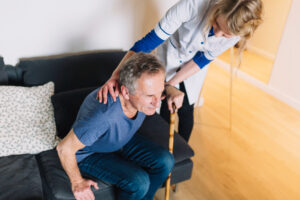
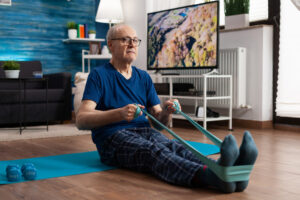
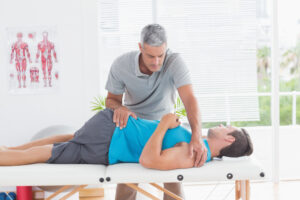
Treatment for posture problems and falls in the elderly often includes physiotherapy. A physiotherapist can teach exercises to strengthen muscles and improve balance. For example, gentle stretching and balance exercises can help. Sometimes, assistive devices like canes or walkers are useful. In addition, wearing proper shoes can make walking safer. Home modifications, such as grab bars or non-slip mats, also help reduce fall risk.
Because every person is different, treatment plans should be tailored to each senior’s needs. Regular follow-ups with a physiotherapist can track progress and adjust exercises as needed.
Prevention Tips
There are many ways to prevent posture problems and falls in the elderly. Both seniors and caregivers can take steps to stay safe. For example, making small changes at home can lower fall risk. Staying active and eating well also help keep muscles strong.
Because prevention is better than cure, these tips can help seniors stay safe and independent at home.
When to Seek Professional Help
Sometimes, posture problems and falls in the elderly need expert care. If a senior falls often or has trouble walking, it is time to see a doctor or physiotherapist. Other warning signs include sudden changes in posture, ongoing pain, or feeling dizzy often. In addition, if a person feels afraid of falling, professional help can provide support and guidance.
Because early treatment can prevent serious injuries, do not wait to seek help.
Conclusion
Posture problems and falls in the elderly are serious but preventable. With the right care, seniors can improve their posture and lower their risk of falling. Simple changes at home and regular exercise make a big difference. If you or a loved one has concerns, consult a physiotherapist Dr. Sanjana’s Procare Physiotherapy for personalized advice on posture and fall prevention.