Stroke Rehabilitation: Complete Guide to Recovery and Physiotherapy

Stroke Rehabilitation: Complete Guide to Recovery and Physiotherapy

Introduction

Stroke rehabilitation is a vital process that helps people regain skills after a stroke. It focuses on improving movement, speech, and daily activities. Early and effective stroke rehabilitation can boost recovery and quality of life. According to the World Health Organization (WHO), stroke is a leading cause of disability worldwide. Therefore, starting rehabilitation soon after a stroke is important for the best results.

Symptoms and Challenges After a Stroke

After a stroke, many people face new challenges. These can affect both the body and mind. For example, some common symptoms and difficulties include:

  • Weakness or paralysis, often on one side of the body
  • Trouble speaking or understanding words
  • Problems with balance and walking
  • Memory loss or confusion
  • Difficulty swallowing
  • Emotional changes, such as sadness or frustration
  • Because each stroke is different, symptoms can vary. However, most people need support to manage these changes.

    Goals of Stroke Rehabilitation

    Stroke rehabilitation aims to help people become as independent as possible. The main goals include:

  • Restoring movement and strength
  • Improving speech and communication
  • Helping with daily tasks, like dressing or eating
  • Boosting confidence and emotional well-being
  • Preventing future strokes and health problems
  • With the right support, many stroke survivors can return to their daily lives.

    Common Physiotherapy Techniques and Exercises

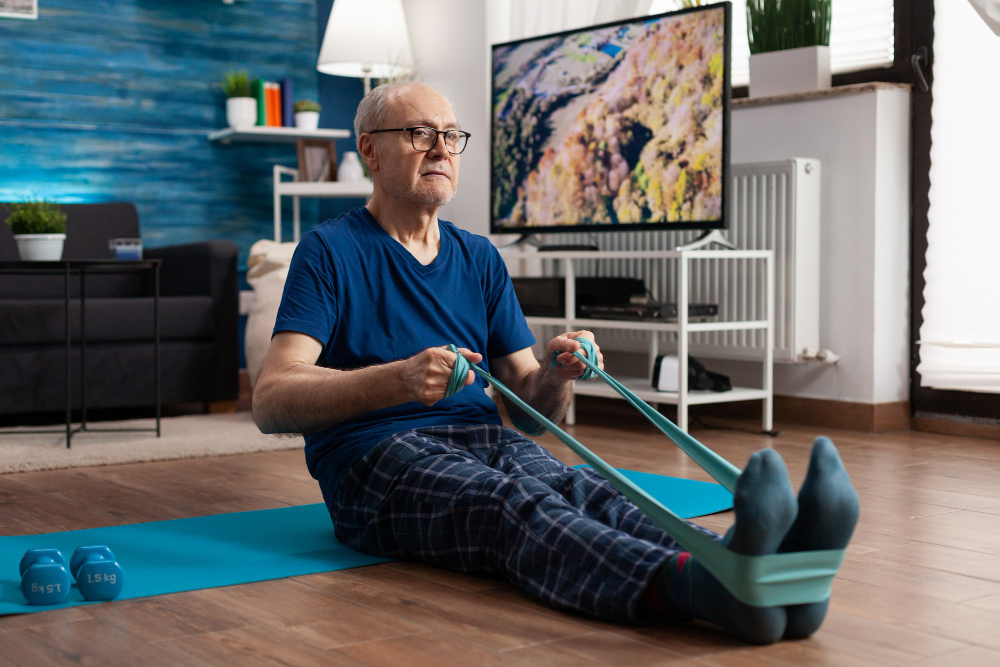
    Physiotherapy is a key part of stroke recovery. It helps rebuild strength, balance, and movement. Some common physiotherapy techniques include:

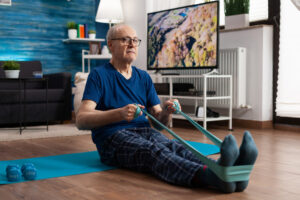
  • Range-of-motion exercises: These keep joints flexible and prevent stiffness.
  • Strength training: Simple exercises help rebuild weak muscles.
  • Balance and coordination drills: These improve walking and reduce falls.
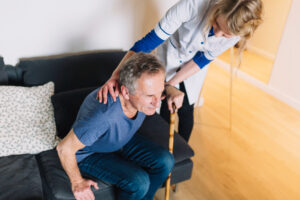
  • Task practice: Practicing daily activities, like standing up or reaching, helps regain skills.
  • Walking training: Therapists may use treadmills or walking aids to help with steps.
  • In addition, therapists may use special tools or machines to support recovery. Each exercise plan is tailored to the person’s needs.

    The Rehabilitation Process: What to Expect

    Stroke rehabilitation often begins in the hospital. After that, it may continue at home or in a rehab center. The process usually includes:

  • Assessment: A team checks your abilities and sets goals.
  • Personalized plan: Therapists create a program just for you.
  • Regular sessions: You will practice exercises and tasks daily or several times a week.
  • Progress checks: The team reviews your progress and adjusts the plan as needed.
  • Because recovery takes time, patience is important. However, many people see steady improvement with ongoing therapy.

    Tips for Caregivers and Families

    Caregivers play a big role in stroke recovery. Here are some helpful tips:

  • Encourage daily exercises and routines
  • Offer support, but let the person do tasks on their own when possible
  • Keep the home safe by removing tripping hazards
  • Attend therapy sessions to learn helpful techniques
  • Watch for signs of depression or anxiety and seek help if needed
  • Above all, patience and understanding make a big difference in recovery.

    Prevention of Complications and Relapse

    After a stroke, it is important to prevent further problems. Some steps to lower the risk of complications and relapse include:

  • Taking medicines as prescribed
  • Managing blood pressure, cholesterol, and diabetes
  • Eating a healthy, balanced diet
  • Staying active with safe exercises
  • Not smoking and limiting alcohol
  • Attending regular medical check-ups
  • With these steps, you can help protect your health and support long-term recovery.

    Frequently Asked Questions About Stroke Rehabilitation

  • How soon should stroke rehabilitation start?
  • Rehabilitation should begin as soon as possible, often within days of the stroke.
  • How long does recovery take?
  • Recovery time varies. Some people improve in weeks, while others need months or longer.
  • Can all abilities be regained?
  • Many people regain some or most skills, but full recovery is not always possible. However, therapy helps maximize progress.
  • Is physiotherapy safe for older adults?
  • Yes, physiotherapy is safe and helpful for people of all ages after a stroke.
  • What if progress is slow?
  • Progress can be slow, but regular therapy and support can still lead to improvement over time.
  • Conclusion

    Stroke rehabilitation is a journey that helps people regain independence and confidence. With the right care, many stroke survivors can enjoy a better quality of life. For the best results, consult a rehabilitation specialist or physiotherapist at Dr. Sanjana’s Procare Physiotherapy for personalized stroke recovery guidance.
    Share